Our Fog-Edge Approach

Fog Computing serves as an intelligent intermediate layer between edge devices and the cloud. By processing data closer to the source (e.g., gateways or local servers), it ensures:

  • Coordinated decision-making across distributed nodes
  • Low-latency communication for time-critical applications
  • Reduced bandwidth usage and less dependency on the cloud

Example: Fog nodes deployed across a city synchronize edge sensors from multiple streets, optimizing traffic flow on a citywide scale.
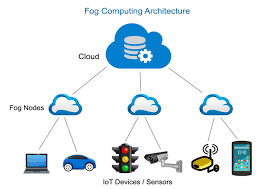
Fog Computing Diagram

Edge Computing

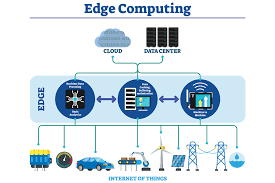
Edge Computing Diagram

Edge Computing brings computation closer to the source of data — like sensors, cameras, or traffic signals — instead of relying only on a distant cloud.

  • Analyze data in real-time
  • Make autonomous decisions instantly
  • Continue operating even without internet

Example: A traffic node detects congestion and changes signal timing on its own — no waiting for cloud instructions.

“By combining Edge & Fog Computing, Cognicity delivers intelligent, real-time, and resilient systems — enabling streets, buildings, and infrastructure to think, adapt, and respond autonomously in a smart city environment.”

WHY CHOOSE THE FOG-EDGE APPROACH

⚡ Ultra-Low Latency:
Decisions happen instantly at the source for faster response times.
☁️ Cloud Independence:
Operates seamlessly even without continuous internet connectivity.
💰 Cost Efficiency:
Minimizes cloud storage and reduces bandwidth expenses.
🧠 Local Intelligence:
Nodes process and act independently for smarter outcomes.
🔒 Enhanced Security & Privacy:
Sensitive data stays local, lowering exposure risk.
📈 Scalability:
Effortlessly adds new devices and expands system capabilities.
🔄 Resilience & Redundancy:
Ensures uninterrupted operation during failures or network issues.